By Shanti Space Yoga
Discover online yoga classes that fit your routine, from beginner-friendly movement to mindful relaxation.
Online Yoga Classes: Find the Right Practice for Your Body and Mind
Yoga is much more than a series of poses or a few minutes of breathing exercises. It is a diverse practice that brings together movement, breath awareness, balance, flexibility, strength, and mindfulness.
Yet, when many people think about yoga, they picture someone sitting cross-legged and practising Anulom Vilom. While breathing exercises are an important part of yoga, they represent only one aspect of a much broader tradition.
From energetic flows that challenge your strength to gentle stretches that help you slow down, there are many ways to experience yoga. The best part? You don’t need to travel to a studio or follow a rigid schedule to begin.
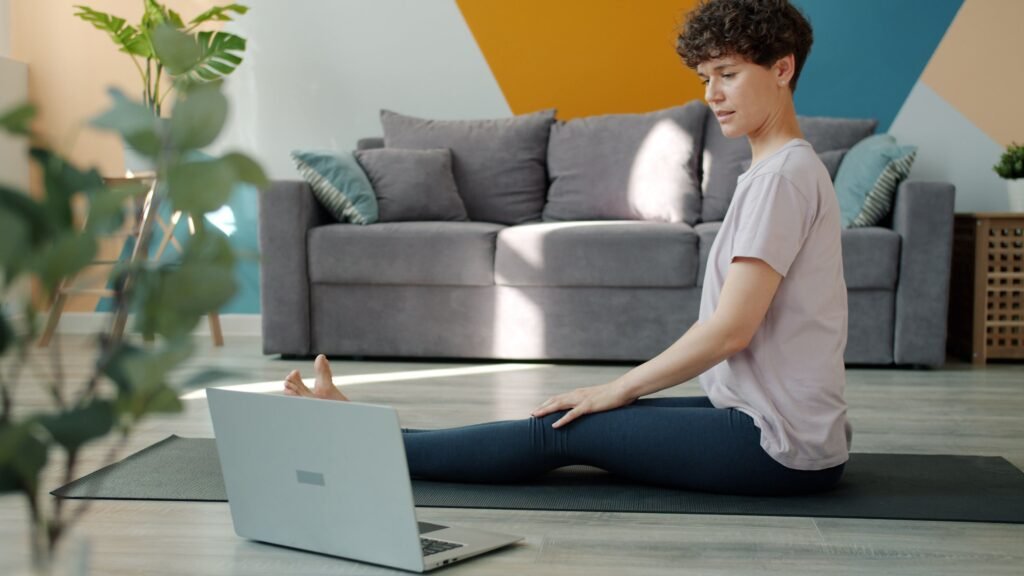
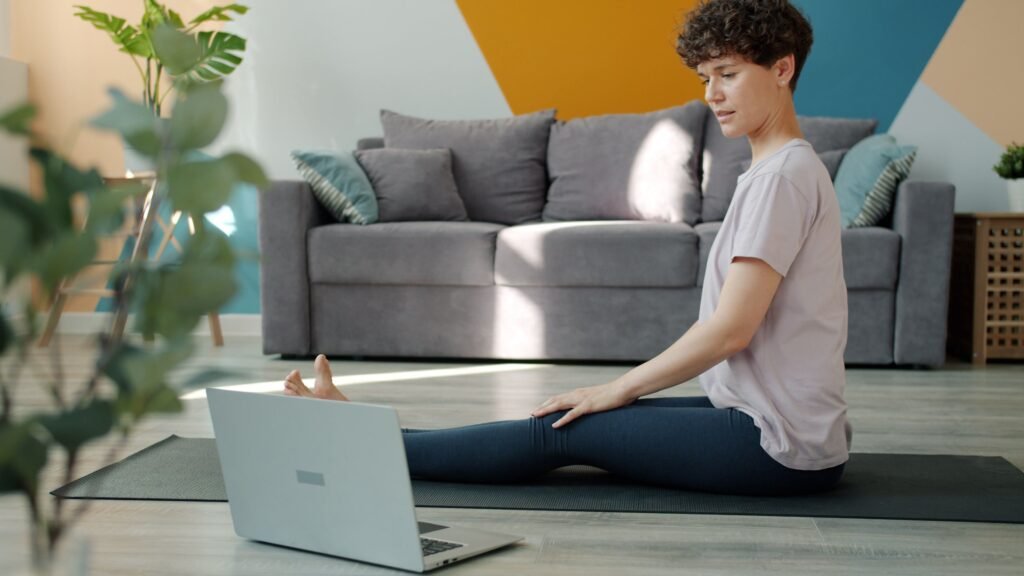
With online yoga classes, you can explore different styles, practise from the comfort of your home, and choose sessions that fit your lifestyle, experience, and personal goals.
At Shanti Space Yoga, the idea is simple: your yoga practice should adapt to you, not the other way around.
Choose your class. Find your rhythm. Make the practice yours.
1. Beginner Yoga: Start Your Journey With Confidence
Build a foundation without the pressure
Starting something new can feel intimidating, especially when you see experienced practitioners moving effortlessly through challenging poses. But yoga isn’t about matching someone else’s flexibility or getting every posture right on your first attempt.
Online yoga classes for beginners introduce you to the fundamentals at a comfortable pace. You can learn basic postures, simple transitions, breathing techniques, and relaxation exercises while becoming more familiar with your body.
The focus is on understanding the movements, finding comfortable modifications, and building confidence gradually.
You don’t need to be flexible, athletic, or experienced to begin. All you need is a willingness to learn and a little space to practise.
What you’ll explore:
- Foundational yoga poses and gentle stretches
- Basic breathing and body awareness
- Simple movement sequences
- Relaxation and mindfulness techniques
Best for: First-time practitioners, beginners, and people returning to yoga after a break.
Duration: 20–30 minutes
Level: Beginner
2. Power Yoga: Bring Energy to Your Practice
Move with strength, focus, and intention
Some days, you want a practice that gets your body moving and challenges you physically. Power Yoga online class offers a more dynamic approach to yoga, combining flowing sequences with strength, balance, and controlled breathing.
Rather than holding every pose for a long time, many Power Yoga sessions link movements together to create an active, continuous practice.
Depending on the sequence and your ability, you may work on stability, muscular endurance, coordination, and body awareness while keeping your attention on your breath.
Power Yoga can be physically demanding, so beginners should choose an appropriately modified class and progress at their own pace.
What you’ll explore:
- Dynamic yoga sequences
- Strength-focused postures
- Balance and coordination
- Breath-led movement
Best for: People who enjoy active movement and want a more challenging yoga routine.
Duration: 30–60 minutes
Level: Intermediate, with suitable beginner modifications where available
SEO keyword: Power Yoga online
3. Yin Yoga and Relaxation: Make Space to Slow Down
Discover the value of a gentler pace
A busy lifestyle can make slowing down feel surprisingly difficult. When your day is filled with deadlines, responsibilities, and notifications, taking a quiet moment for yourself can become an afterthought.
Yin Yoga offers a slower style of practice in which postures are generally held for longer periods, often with support from cushions, blocks, or blankets. The aim is to approach each position with patience and awareness rather than force.
This slower pace creates an opportunity to notice your breathing, explore comfortable ranges of movement, and become more attentive to physical sensations.
You can also combine gentle yoga with relaxation techniques to create a peaceful transition between a demanding day and a quieter evening.
What you’ll explore:
- Slow, supported postures
- Gentle stretches and mindful movement
- Breath awareness
- Relaxation and stillness
Best for: People seeking a slower practice, gentle movement, mindfulness, or an evening wind-down.
Duration: 30–45 minutes
Level: All levels, with appropriate modifications
SEO keyword: Yin Yoga online
4. Online Meditation Classes: Take a Pause From the Noise
You don’t need to empty your mind to meditate
Meditation is often misunderstood as the ability to stop thinking completely. In reality, many meditation practices involve noticing thoughts without getting caught up in them and gently returning your attention to an anchor, such as your breath.
Guided meditation can make this process easier to explore, especially when you’re just beginning.
Our online meditation classes offer a simple way to create a few moments of stillness in your day. You can sit comfortably, follow verbal guidance, and practise bringing your attention back whenever your mind wanders.
A short session may fit into a busy morning, while a longer meditation can become part of your evening routine.
What you’ll explore:
- Guided breathing and mindfulness
- Present-moment awareness
- Short meditation sessions
- Quiet reflection and relaxation
Best for: Beginners, busy professionals, students, and anyone interested in developing a mindfulness routine.
Duration: 5–30 minutes
Level: All levels
SEO keyword: Online meditation classes
5. Yoga for Strength: Build Stability From Within
Develop strength through mindful movement
Strength doesn’t have to be developed through weights alone. Yoga can challenge your muscles through controlled movements, sustained postures, balance, and stability.
Strength-focused yoga encourages you to pay attention to how your body moves, how you distribute your weight, and how you maintain alignment throughout a posture.
Depending on the class, you may practise standing poses, supported balances, plank variations, and sequences that engage different muscle groups.
As your practice develops, you can gradually explore more challenging movements while respecting your current ability.
What you’ll explore:
- Strength-building yoga postures
- Balance and stability exercises
- Controlled transitions
- Body awareness and alignment
Best for: People looking to complement their fitness routine, develop balance, and build functional strength.
Duration: 30–45 minutes
Level: Beginner to intermediate, depending on the sequence
SEO keyword: Yoga for strength
6. Yoga for Stress Relief: Create a Moment for Yourself
Give yourself permission to pause
Work, studies, relationships, digital distractions, and everyday responsibilities can leave little room to slow down. When your mind feels occupied and your body feels tense, a gentle yoga practice can provide an opportunity to step away from the usual pace.
Yoga for stress relief typically combines comfortable movement, relaxed breathing, and moments of rest. The goal is not to force yourself to feel calm or to solve every problem during a session. It is to give yourself time to pay attention to the present moment.
You can practise a few gentle stretches between tasks or follow a short evening sequence before getting ready for bed.
Yoga may support relaxation and stress management, although individual experiences vary and it is not a substitute for professional mental health care when needed.
What you’ll explore:
- Gentle yoga poses
- Comfortable, unforced breathing
- Slow movement and relaxation
- Mindfulness during everyday routines
Best for: Busy schedules, evening practice, relaxation, and people seeking a gentler yoga session.
Duration: 15–30 minutes
Level: All levels
SEO keyword: Yoga for stress relief
How to Choose the Right Online Yoga Class
With so many styles available, choosing a class can feel confusing at first. The good news is that you don’t have to find your perfect style immediately. Start with your current needs and explore from there.
Here is a simple guide to help you decide:
| Your goal | Class to explore |
|---|---|
| Learn the basics | Beginner Yoga |
| Enjoy active movement | Power Yoga |
| Slow down and stretch | Yin Yoga and Relaxation |
| Develop mindfulness | Online Meditation Classes |
| Challenge your balance and muscles | Yoga for Strength |
| Create a calming break | Yoga for Stress Relief |
Think about how much time you have, how energetic you feel, and what level of physical challenge is appropriate for you.
You can also alternate between styles throughout the week. An active session one day and a gentle practice the next can help you create variety without making every session equally demanding.
Why Choose Online Yoga Classes?
One of the biggest advantages of online yoga is the flexibility it offers. Instead of planning your day around travelling to a studio, you can make room for a practice at home.
Here are a few reasons to consider online yoga classes:
1. Practise from home
Create a comfortable corner in your living room, bedroom, or another quiet space. You don’t need a dedicated studio to get started.
2. Choose a session that fits your schedule
Short sessions can fit into a busy day, while longer classes allow you to spend more time exploring a particular style.
3. Explore different yoga styles
Online yoga makes it easier to discover beginner flows, strength-focused sessions, gentle stretching, and meditation without committing to just one approach.
4. Learn at your own pace
You can build familiarity with basic postures, develop confidence, and gradually explore more challenging practices as your experience grows.
5. Make yoga part of your routine
Practising at a convenient time may help you establish a more consistent habit. Even a short session can be a useful starting point.
Tips for Starting a Yoga Practice at Home
You don’t need an elaborate setup to begin. A few simple preparations can make your yoga classes at home more comfortable.
- Find a suitable space: Choose an area where you can move safely without bumping into furniture.
- Wear comfortable clothing: Choose clothes that allow you to stretch and move freely.
- Keep a mat nearby: A yoga mat can provide grip and cushioning. A non-slip, stable surface is important.
- Use simple props if needed: Cushions, folded blankets, or blocks can make certain postures more comfortable.
- Start with a manageable duration: Try 10–20 minutes before committing to longer sessions.
- Respect your body’s limits: Modify postures when necessary and stop if you experience sharp pain, dizziness, or unusual discomfort.
- Choose a realistic schedule: Practising at a time that works for you is more useful than following a routine you cannot maintain.
If you have an injury, a medical condition, or specific physical limitations, seek appropriate professional guidance about which practices are suitable for you.
Your Yoga Practice Can Change With You
There is no single right way to practise yoga, and you don’t have to commit to one style forever.
You might choose Power Yoga on a day when you feel energetic, return to a familiar beginner sequence when you want something simple, or explore meditation when you need a quiet break.
The important thing is to build a practice that respects your experience, your time, and your individual needs.
At Shanti Space Yoga, we believe that yoga should feel accessible, adaptable, and personal. Every session can be an opportunity to learn something new about your movement, breathing, and attention.
Listen to your body. Notice your mind. Choose what you need today.
Frequently Asked Questions About Online Yoga Classes
1. Do I need experience to join online yoga classes?
No. Beginners can start with an introductory class that explains basic postures, simple transitions, and breathing techniques. Choose a session that matches your ability and progress gradually.
2. What do I need for an online yoga class?
A yoga mat and comfortable clothing are enough for many classes. Depending on the session, cushions, blocks, straps, or folded blankets may provide additional support. Keep enough space around you to move safely.
3. How long should I practise yoga each day?
There is no universal duration that works for everyone. A short 10–15 minute session can be a practical starting point, while longer sessions may suit people with more time and experience. Choose a duration that feels manageable.
4. Can I practise yoga at home as a beginner?
Yes. Online beginner yoga classes can introduce you to basic movements and breathing techniques in your own space. Start with a beginner-friendly session, follow the instructions carefully, and avoid forcing your body into a posture.
5. Which online yoga class is best for beginners?
Beginner Yoga is a good starting point because it focuses on foundational poses, comfortable movement, and basic breathing. Once you feel confident, you can explore other styles based on your goals and preferences.
6. Are online yoga classes effective?
Online classes can help you learn yoga, develop a routine, and practise movement and mindfulness from home. Your experience will depend on the class, the quality of instruction, your consistency, and whether the practice suits your needs.
7. Can I practise yoga every day?
Many people include yoga in their daily routine, but the intensity should vary according to individual needs and recovery. You might alternate active sessions with gentle stretching, relaxation, or meditation. Rest when needed.
8. What is the difference between Power Yoga and Yin Yoga?
Power Yoga generally involves more dynamic movement and strength-focused sequences. Yin Yoga is slower and typically involves holding selected postures for longer periods. They offer different experiences, so your choice depends on your preferences and physical needs.
9. Is yoga suitable for stress relief?
Gentle yoga, breathing awareness, and mindfulness may help some people relax and manage everyday stress. Choose a comfortable session and remember that yoga can complement, rather than replace, appropriate professional care.
10. How often should beginners practise yoga?
Start with a schedule that feels realistic, such as two or three manageable sessions per week, and adjust as you become more comfortable. Consistency, appropriate instruction, and listening to your body matter more than following a rigid target.
Explore. Practise. Grow.
Your yoga journey doesn’t have to follow anyone else’s path.
You don’t need to master every pose, spend hours on the mat, or know exactly which style suits you before you begin. Start with one class, take one breath, and create a little space for yourself.
Explore our online yoga classes, discover the practices that resonate with you, and let your routine grow at its own pace.
Your mat is waiting. Find your rhythm with Shanti Space Yoga.